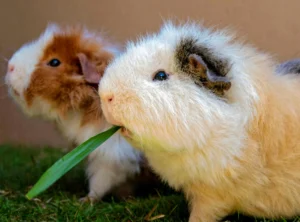

Did you know a Guinea pig’s teeth never stop growing? At All Animals Veterinary Hospital, our Dahlonega, GA exotic pet vet team is always happy to help. Maintaining Guinea pig teeth health is just as important as providing fresh veggies or a clean cage. Without safe chew toys to wear them down, those constantly growing teeth can become too long, leading to painful problems and making eating difficult.
This blog will cover why chew toys are so important, the best types to offer, and how to choose safe options for your furry pal. With the right tools and some daily observation, you’ll support your Guinea pig’s comfort and overall health.
Why Guinea Pig Teeth Health Matters
Unlike humans, Guinea pigs (and other rodents) have teeth that grow continuously throughout life. On average, a Guinea pig’s incisors grow 2–3 millimeters each week. In the wild, constant chewing on grass, hay, and bark keeps those teeth naturally trimmed. In captivity, however, Guinea pigs rely on you to provide materials that mimic that natural wear.
When teeth grow too long, Guinea pigs may develop:
- Painful mouth sores
- Overgrown incisors that curve awkwardly
- Problems eating, leading to weight loss
- Sharp edges that injure the tongue or cheeks
Left untreated, dental problems can become serious and require trimming under anesthesia. Preventing issues with the right Guinea pig chew toys is far easier and healthier. This is also true with smaller pets, like gerbils and hamsters. (Click here for our blog on hamster care.)
What Makes A Good Guinea Pig Chew Toy?
Not every object is safe for Guinea pig teeth health. The best chew toys are those that are:
- Made of safe, natural materials such as untreated wood or woven grass
- Sized appropriately so your Guinea pig can easily carry and gnaw them
- Durable enough to provide resistance without splintering
- Free from chemicals or paints that could be toxic
Your Dahlonega, GA exotic pet vet can guide you on specific toy types, but the following categories are tried-and-true options.
Rabbit.org has a good article on pocket pet chew toys here. While the site is geared at rabbits, many of these will work for tinier pets. Oxbow Animal Health also has an article on pocket pets, which you can find here.
Types Of Safe Chew Toys For Guinea Pigs
Wooden Chew Toys
Wood is a classic choice. It’s firm enough to keep teeth trimmed, yet safe to gnaw when untreated. Look for toys made from apple, willow, or aspen. Avoid pine or cedar, as they can contain harmful oils.
Woven Grass Toys
Items made from Timothy hay or seagrass are great for both chewing and playing. Woven balls, mats, or tunnels double as enrichment while helping wear down teeth.
Hay-Based Items
Compressed hay cubes provide fiber for digestion and chewing resistance for teeth. Since hay should already make up the bulk of your Guinea pig’s diet, these fit in perfectly.
Cardboard Chew Options
Plain cardboard boxes or tubes can be safe and inexpensive chew toys. Be sure they are free from glue, tape, and ink. A simple toilet paper roll can provide hours of entertainment.
Mineral Blocks: Use With Care
While sometimes marketed for rodents, mineral blocks don’t actually do much for tooth wear and can add unnecessary minerals. Stick with wood, hay, and grass toys for the most benefit.
How To Encourage Chewing
Some Guinea pigs naturally chew more than others. If your furry buddy isn’t interested in chew toys, try these tips:
- Rotate different types of toys to keep things interesting
- Hide treats inside hay cubes or cardboard rolls
- Provide multiple toys in different areas of the enclosure
- Make chewing a part of playtime with tunnels or hideouts
Guinea pigs are social animals, so having more than one means they often copy each other’s chewing habits, too.
Recognizing Dental Problems In Guinea Pigs
Even with plenty of chew toys, dental issues can still arise. Watch for these warning signs:
- Drooling or wet fur around the mouth
- Difficulty eating or dropping food
- Weight loss despite an appetite
- Visible overgrowth of incisors
- Reduced interest in hay or toys
If you notice these symptoms, call your Dahlonega, GA exotic pet vet right away. Guinea pigs rely heavily on their teeth for survival, so prompt veterinary care is essential.
Fun Facts About Guinea Pig Teeth
- Guinea pigs have 20 teeth total — four incisors and 16 molars.
- Their teeth are open-rooted, meaning they grow throughout life.
- In the wild, Guinea pigs spend nearly 20 hours per day grazing to keep teeth worn down.
- A Guinea pig’s teeth are naturally white; yellowing can indicate diet issues.
Sharing these fun facts with children or new Guinea pig owners can make dental care feel less intimidating and more engaging.
Common Mistakes Owners Make
Even the most dedicated owners sometimes overlook safe chewing needs. A few common missteps include:
- Providing toys made of unsafe woods or painted surfaces
- Assuming pellets alone will wear down teeth (they won’t)
- Forgetting that molars, not just incisors, need wear from hay
- Waiting until a Guinea pig stops eating before seeking veterinary help
Avoiding these mistakes keeps your furry pal’s teeth — and health — in top condition.
Enrichment And Bonding Through Chew Toys
Chew toys do more than maintain Guinea pig teeth health. They also add enrichment to your pet’s daily life. Watching your Guinea pig nibble on a willow ball or burrow into a hay tunnel can be just as fun for you as it is healthy for them.
Providing a variety of textures and shapes encourages natural behaviors like chewing, foraging, and exploring. These activities prevent boredom, reduce stress, and support mental well-being.
FAQ About Guinea Pig Chew Toys
How Many Chew Toys Should My Guinea Pig Have?
Provide at least two or three at a time, and rotate them regularly to maintain interest.
Can I Give My Guinea Pig Tree Branches From Outside?
Only if you’re certain they come from safe, untreated trees like apple or willow. Avoid unknown or pesticide-treated branches.
Do Guinea Pigs Need Chew Toys If They Have Hay?
Yes. Hay is essential, but chew toys add variety and extra opportunities for tooth wear.
How Often Should I Replace Chew Toys?
Replace toys when they’re worn down, dirty, or ignored. Rotating fresh options keeps Guinea pigs engaged.
Can Chewing Fix Already Overgrown Teeth?
No. Once teeth are overgrown, a veterinarian must trim them safely. Chew toys are preventive, not corrective.
Visit Our Dahlonega, GA Exotic Pet Vet
At All Animals Veterinary Hospital, our Dahlonega, GA veterinarians love helping small pets thrive. Offering the best chew toys for Guinea pigs is one of the simplest ways to protect Guinea pig teeth health and prevent painful problems. If you’ve been searching for a vet near me who understands exotic pets, our veterinary clinic is here for you. Call today to schedule a wellness check for your furry pal.
Click here to visit our Service page and learn more about our pet clinic and the animals we treat.
This blog is for informational purposes only. Always consult with your veterinarian for accurate diagnosis and treatment of your Guinea pig’s health needs.