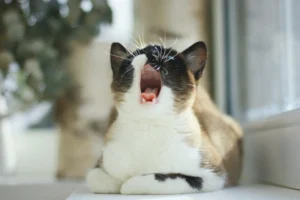

Have you ever been woken up at 3 a.m. by Fluffy announcing something in the hallway? At All Animals Veterinary Hospital, our Dawsonville, GA veterinary clinic often hears questions from cat parents who want to know why cats meow so much. Whether it’s a soft chirp, a demanding yowl, or a sweet trill, feline communication styles are fascinating — and often misunderstood.
Understanding why cats meow helps you better connect with your feline companion. While dogs bark for many reasons, cats have developed a unique way of vocalizing to communicate directly with people. In this blog, we’ll break down the different meanings behind those meows, explain what they can signal about your kitty’s health, and share when it’s time to visit your Dawsonville, GA cat vet for advice.
Why Cats Meow At People
Interestingly, cats don’t typically meow at each other, at least once they reach adulthood. Instead, meowing is a behavior they reserve for their humans. Scientists believe cats learned long ago that vocalizations get our attention quickly, making it their secret weapon for communicating needs.
Some of the most common reasons why cats meow include:
- Hunger: A sharp, insistent meow near the food bowl is a classic.
- Greeting: Some cats meow when you walk in the door, saying hello.
- Attention-seeking: Fluffy may want affection, playtime, or lap space.
- Discomfort or pain: Changes in vocalization can be a sign of illness.
- Stress or anxiety: Moves, new pets, or changes in routine often lead to more meowing.
By tuning into these feline communication styles, you can better interpret what your kitty is trying to tell you.
Decoding The Types Of Cat Vocalizations
Cat vocalization meanings vary not just by context but by sound. Once you start listening closely, you may realize your feline overlord has an entire vocabulary.
- Short, soft meows: Usually friendly greetings.
- Long, drawn-out meows: Often demand-based (feed me now).
- Chirps and trills: Social sounds, often directed at you or other cats in the home.
- Yowling: May indicate distress, illness, or even mating behavior in unspayed or unneutered cats.
- Purring combined with meows: Could signal contentment, but sometimes also pain.
Every kitty develops a unique way of vocalizing, which means learning your own cat’s dialect is key.
Health Issues Linked To Excessive Meowing
While many vocalizations are normal, sudden changes can be red flags. If your usually quiet feline pal starts meowing more frequently, it’s worth a trip to the vet. Possible health-related reasons include:
- Thyroid disease — Often causes increased appetite and restlessness.
- Hypertension — High blood pressure can make cats more vocal and disoriented.
- Cognitive decline in senior cats — Some older kitties become more vocal at night.
- Pain or illness — Cats sometimes cry out when they’re uncomfortable.
Your Dawsonville, GA cat vet can rule out medical causes through a physical exam and tests, ensuring your kitty’s chatter isn’t signaling something more serious.
Behavioral Reasons Behind Meowing
Not every meow means illness. Many cats meow simply because they’re bored or lonely. Indoor cats, in particular, often crave stimulation. If Fluffy is constantly meowing at you, she may be asking for:
- More interactive playtime with feather toys or lasers.
- Environmental enrichment, like cat trees, scratching posts, or puzzle feeders.
- Companionship, especially if she’s alone for long stretches of the day.
Meeting these needs often reduces unnecessary vocalization and strengthens your bond.
Chewy has an article on kitty vocalizations here. The ASPCA also covers meows in this article.
How To Respond To Excessive Meowing
When faced with constant meows, it’s tempting to give in quickly. However, if you always respond to demands for food or attention, you might reinforce the behavior. Instead, try these strategies:
- Establish a feeding schedule and stick to it. Cats thrive on routine.
- Reward quiet behavior with affection, so Fluffy learns silence gets attention too.
- Ignore demand meows (hard, but effective) while rewarding calm moments.
- Play daily to tire your feline companion out, reducing boredom meows.
By being consistent, you can guide your kitty toward healthier communication patterns. Also, just providing a fun, comfy environment will go a long way to keeping your cat purring. Click here for our post on caring for a cat in an apartment.
Fun Facts About Cat Vocalizations
- Domestic cats have been found to use up to 100 different vocal sounds, while dogs typically have only about 10.
- Some cats actually develop dialects based on their households — meaning they adapt how they meow depending on the humans they live with.
- The world record for the loudest purr is an impressive 67.8 decibels, which is louder than a vacuum cleaner.
Clearly, our feline friends have mastered the art of being heard!
When To Call Your Dawsonville, GA Cat Vet
If your feline friend suddenly changes the way they meow, such as meowing louder, more frequently, or in distressing tones, it’s time to check in with your veterinarian. Early intervention is key when vocalization changes are linked to medical conditions.
FAQ About Why Cats Meow
Do Cats Meow At Each Other?
Adult cats rarely meow at other cats. Meowing is primarily a way to communicate with humans.
Why Does My Cat Meow At Night?
Nighttime meowing is often linked to boredom, hunger, or age-related changes like cognitive decline.
Should I Ignore My Cat’s Meows?
It depends. Ignoring demand meows while rewarding quiet moments helps reduce attention-seeking behavior.
Can Meowing Signal Pain?
Yes. If your feline pal suddenly becomes more vocal, pain or illness could be the cause. Always consult your vet if you notice changes in your pet’s behavior, appearance, or appetite.
Are Some Breeds More Vocal Than Others?
Absolutely. Breeds like Siamese, Bengals, and Burmese are known for being especially talkative.
Visit Our Dawsonville, GA Cat Vets
Wondering why cats meow so much in your home? At All Animals Veterinary Hospital, our Dawsonville, GA veterinarians can help you decode feline communication styles and rule out medical concerns. If you’ve been searching for a vet near me to support your feline companion’s health, our veterinary clinic is here to help. Call us today to schedule your kitty’s next check-up.
Click here to visit our Service page and learn more about our pet clinic and the animals we treat.
This blog is intended for informational purposes only. Always consult with your veterinarian for proper diagnosis and treatment tailored to your feline companion.