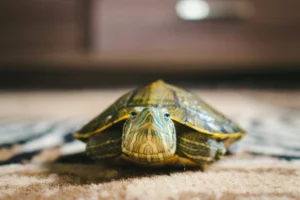

Have you noticed your reptilian friend moving stiffly, struggling to climb, or showing oddly shaped limbs? At All Animals Veterinary Hospital, our Dahlonega, GA reptile vet team has seen our fair share of reptiles with health issues. Metabolic bone disease (MBD) is one of the most common and preventable health issues in captive reptiles. Because reptiles rely so heavily on their environment for proper nutrition and bone development, even small husbandry mistakes can put them at risk.
Reptile bone disease prevention is all about balance — the right diet, proper lighting, and a safe habitat. In this blog, we’ll cover what metabolic bone disease in reptiles looks like, how calcium deficiency develops, and practical steps you can take to keep your scaled pal thriving.
What Is Metabolic Bone Disease?
Metabolic bone disease refers to a group of disorders that weaken the bones and skeletal structure of reptiles. It’s most often caused by:
- Calcium deficiency
- Vitamin D3 deficiency
- Improper UVB lighting
- Poor calcium-to-phosphorus ratio in diet
When reptiles can’t metabolize calcium properly, their bones soften, leading to deformities, fractures, and severe health complications. In young, growing reptiles, this disease can progress very quickly.
PetMD did an article on metabolic bone disease, which is here. The Indiana Veterinary Medical Association also wrote about MBD in this piece.
Signs Of Calcium Deficiency In Reptiles
Because reptiles mask illness in the wild to avoid predators, early signs can be subtle. Keep an eye out for these red flags:
- Weakness or tremors in limbs
- Swollen or misshapen jaw (sometimes called rubber jaw)
- Curved spine or bowed legs
- Lethargy or reluctance to climb
- Twitching or muscle spasms
- Decreased appetite or trouble chewing
- Dragging the body instead of walking normally
If you notice any of these reptile calcium deficiency signs, schedule a visit with your Dahlonega, GA reptile vet right away. Early treatment can prevent lasting damage.
Species Most At Risk
While all reptiles can develop metabolic bone disease, some species are especially vulnerable:
- Bearded dragons – among the most commonly affected due to rapid growth and high calcium needs.
- Green iguanas – require strong UVB exposure and a calcium-rich diet.
- Chameleons – delicate reptiles that can deteriorate quickly if husbandry is off.
- Geckos – particularly leopard geckos when kept without UVB lighting.
- Turtles and tortoises – indoor-kept individuals often lack sufficient sunlight exposure.
- Snakes – while less common, can still suffer MBD if fed improperly balanced diets.
Knowing your reptile’s unique requirements helps prevent mistakes that lead to MBD.
Causes Of Metabolic Bone Disease
Diet Imbalances
Feeding diets too high in phosphorus (like mealworms or iceberg lettuce) without enough calcium-rich foods leads to poor bone development. Calcium and phosphorus compete in the body, and when the ratio is wrong, calcium absorption plummets.
Lack Of UVB Lighting
Reptiles require UVB light to synthesize vitamin D3, which is essential for absorbing calcium. Without UVB, even a calcium-rich diet won’t be effective.
Inadequate Supplementation
Some reptiles need calcium and vitamin supplements sprinkled on their food. Skipping these increases the risk of deficiencies, especially for insect-eating reptiles.
Improper Temperatures
Reptiles depend on external heat for digestion. Without correct basking and ambient temperatures, they cannot metabolize nutrients properly, making calcium absorption nearly impossible.
Reptile Bone Disease Prevention Strategies
Provide Proper UVB Lighting
- Use a high-quality UVB bulb designed specifically for reptiles.
- Replace bulbs every 6–12 months, even if they still produce visible light, because UVB output fades.
- Position bulbs within the recommended distance of basking areas.
- Offer basking spots and shaded areas so your reptile can self-regulate.
- Whenever possible, provide supervised access to natural sunlight.
Balance The Diet
- Offer a variety of calcium-rich vegetables such as collard greens, dandelion greens, and mustard greens.
- Avoid spinach and beet greens, which bind calcium and prevent absorption.
- Gut-load feeder insects with nutritious food before offering them to insect-eating reptiles.
- Dust feeders with calcium powder (with or without vitamin D3 depending on lighting setup).
- Avoid over-reliance on high-phosphorus foods such as mealworms or crickets alone.
Maintain Proper Temperatures
Every reptile species has its own temperature range. For example:
- Bearded dragons: basking areas 95–110°F
- Leopard geckos: warm side around 88–92°F
- Green iguanas: basking areas 90–100°F
- Tortoises: basking areas 90–95°F
Use multiple thermometers in different parts of the enclosure to ensure accuracy.
Regular Veterinary Checkups
Routine exams with your Dahlonega, GA reptile vet allow early detection of deficiencies. X-rays and blood tests can reveal weakened bones before symptoms worsen. It’s also important to do plenty of research. Click here for our reptile care guide.
Common Owner Mistakes To Avoid
Even dedicated reptile keepers sometimes make errors that contribute to MBD. Avoid these pitfalls:
- Using UVB bulbs designed for fish tanks instead of reptiles
- Placing UVB bulbs too far from basking areas
- Feeding lettuce-heavy diets that lack calcium
- Forgetting to replace UVB bulbs regularly
- Assuming reptiles will self-correct nutritional imbalances
By staying informed, you can sidestep these common issues.
Fun Facts About Reptile Bones
- Reptiles have lighter, more flexible bones compared to mammals, which helps with climbing.
- Bearded dragons use their tails for balance, so weak bones can impact mobility.
- Some reptiles can live 20+ years, making long-term nutrition and husbandry critical.
FAQ About Reptile Bone Disease Prevention
Can Metabolic Bone Disease Be Reversed?
Mild cases can improve with proper care, but severe deformities may be permanent.
How Often Should I Replace My UVB Bulb?
Every 6–12 months. Even if the bulb still shines, UVB output decreases.
Do All Reptiles Need Calcium Supplements?
Most insect-eating reptiles do. Herbivores need calcium-rich vegetables but may also benefit from supplements. Ask your vet for specific advice.
Can MBD Affect A Reptile’s Lifespan?
Yes. Without intervention, severe MBD drastically shortens life expectancy and reduces quality of life.
What’s The Best First Step If I Suspect MBD?
Call your Dahlonega, GA reptile vet immediately. Early treatment makes a huge difference.
Visit Our Dahlonega, GA Reptile Vet
Want to protect your scaled pal from metabolic bone disease? At All Animals Veterinary Hospital, our Dahlonega, GA veterinarians provide expert reptile bone disease prevention through nutrition counseling, habitat recommendations, and routine health checks. If you’ve been searching for a vet near me who understands exotic pets, our veterinary clinic is here to help. Call today to schedule your reptile’s wellness exam.
Click here to visit our Service page and learn more about our pet clinic and the animals we treat.
This blog is for informational purposes only. Always consult your veterinarian for diagnosis and treatment tailored to your reptilian friend.