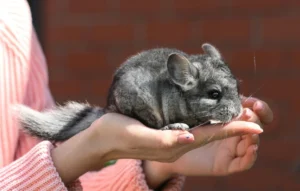

Is your chinchilla’s home truly safe, comfortable, and stimulating? At All Animals Veterinary Hospital, our Dahlonega, GA exotic pet vet team often sees families who adore their furry little pals but aren’t sure how to set up the ideal living space. Because chinchillas are active, curious, and very sensitive to their environment, proper chinchilla habitat safety is key to their overall health and happiness.
Creating an enriching chinchilla environment isn’t just about buying a cage and filling it with bedding. It’s about designing a home that supports natural behaviors like climbing, chewing, hiding, and dust bathing … all while keeping your pet secure from common hazards. In this blog, we’ll cover the essentials of safe chinchilla cages, enrichment strategies, and tips from our Dahlonega, GA veterinary clinic to help you build a thriving space for your furry bestie.
Why Habitat Safety Matters For Chinchillas
Chinchillas are prey animals in the wild, which means they are naturally alert, quick to hide, and are constantly on the move. In captivity, they rely on you to provide a safe enclosure that mimics their natural environment as much as possible. Without proper housing, chinchillas can experience:
- Stress from feeling exposed or unsafe
- Health problems from poor ventilation or unsuitable flooring
- Injury from unsafe cage materials or overcrowded setups
- Behavioral issues caused by boredom or lack of enrichment
By focusing on chinchilla habitat safety, you not only protect your furry pal but also encourage natural behaviors that keep them mentally and physically healthy.
Choosing Safe Chinchilla Cages
The cage is the foundation of your chinchilla’s habitat, so choosing the right one is essential.
Size Matters
Chinchillas need room to hop, climb, and explore. A single chinchilla should have at least 24 x 24 x 36 inches of space, but bigger is always better. Multi-level cages with ramps or shelves are ideal.
Safe Materials
- Wire cages with solid metal platforms are preferred. Avoid cages with plastic bases or shelves, as chinchillas chew through plastic easily.
- Bar spacing should be no more than 1 inch to prevent escapes.
- Avoid galvanized metal which can be toxic if chewed. Powder-coated or stainless steel is safer.
Flooring
Wire floors can injure tiny feet. Instead, choose solid flooring or cover wire bottoms with mats, tiles, or safe wood planks.
Setting Up The Enclosure
Location
Place the cage in a quiet, draft-free area away from direct sunlight. Chinchillas are sensitive to heat and do best in cool environments, ideally between 60–70°F.
Bedding
Use dust-free paper-based bedding or kiln-dried pine. Avoid cedar or non-kiln-dried pine, which release harmful oils.
Hiding Spots
Provide hide boxes or tunnels where your chinchilla can retreat when stressed.
Food And Water Stations
Heavy ceramic bowls prevent tipping, while water bottles with metal spouts keep water clean.
Enriching Chinchilla Environment
A safe cage is only half the equation. To prevent boredom and support mental health, your chinchilla needs daily enrichment.
Chew Toys
Chinchilla teeth never stop growing. Safe chew toys made from untreated wood, pumice stone, or woven hay help keep teeth trim.
Climbing Structures
Wooden shelves, branches, or ladders encourage climbing and jumping. Make sure all items are stable to prevent falls.
Dust Baths
Provide a dust bath 2–3 times per week using chinchilla-specific dust. This helps keep fur clean and prevents skin problems.
Exercise Wheels
Choose a solid-surface wheel (15 inches or larger). Avoid wire wheels, which can injure feet and tails.
Foraging Activities
Hide hay or treats in paper bags, cardboard tubes, or puzzle toys to encourage natural foraging.
Common Hazards To Avoid
Chinchillas are curious explorers, and unsafe setups can lead to injury or illness. Avoid:
- Plastic toys, which can cause blockages if chewed
- Fabrics like fleece or rope, which can tangle or choke
- Open water bowls, which can tip and soak fur
- Excessive heat or humidity, which can cause heatstroke
- Unsafe wood (like cherry, oak, or walnut) that may be toxic
Mistakes Owners Often Make
Even well-meaning owners sometimes overlook chinchilla habitat safety. Some common errors include:
- Overcrowding cages with too many chinchillas or too many accessories
- Ignoring ventilation, leading to ammonia buildup from waste
- Providing too few hiding spaces, leaving chinchillas stressed
- Skipping dust baths, which results in oily, matted fur
Ask your vet for specific advice on your pet’s care.
Fun Facts About Chinchillas
- Chinchillas have the densest fur of any land mammal — up to 60 hairs per follicle.
- They can jump as high as six feet in a single bound.
- In the wild, chinchillas live in groups called herds in rocky burrows.
These facts highlight why chinchillas need space, climbing opportunities, and proper grooming care in captivity.
Want to learn more? To learn more about your chinchilla’s diet and nutrition needs, PetMD has a great article which you can read here. Animal Humane Society also has a piece on chinchilla care, which is here.
FAQ About Chinchilla Habitat Safety
How Big Should A Chinchilla Cage Be?
At minimum, 24 x 24 x 36 inches for one chinchilla, but bigger is always better.
Do Chinchillas Need To Be Kept In Pairs?
They are social animals, but introductions should be done carefully. A safe cage setup helps prevent territorial stress.
Can I Use Plastic Toys In A Chinchilla Habitat?
No. Plastic can splinter or cause intestinal blockages if ingested. Stick to wood, pumice, or woven hay toys.
How Often Should My Chinchilla Have A Dust Bath?
2–3 times per week is usually ideal. Too frequent baths can dry out skin, while too few lead to oily fur.
What Temperature Is Safe For Chinchillas?
They thrive in cooler environments, so the room should ideally be 60–70°F. Heat above 75°F can cause heatstroke.
Read more: Click here for our blog on pet ownership.
Visit Our Dahlonega, GA Exotic Pet Vet
Ready to create the perfect chinchilla home? At All Animals Veterinary Hospital, our Dahlonega, GA veterinarians can help you design a safe chinchilla cage setup and recommend enrichment strategies tailored to your furry pal. If you’ve been searching for a vet near me who understands chinchilla habitat safety, our exotic pet veterinary clinic is here to help. Call today to schedule an appointment for your chinchilla.
Click here to visit our Service page and learn more about our pet clinic and the animals we treat.
This blog is intended for informational purposes only. Always consult your veterinarian for tailored advice on caring for your exotic pet.